THIS UNIT SHIPS 10.1.26
If your kid is obsessed with animals, loves anything “jungle,” or asks approximately 400 questions a day about poison dart frogs and piranhas, a rainforest unit study is one of the easiest wins in elementary homeschool. Explore the Rainforest is a hands-on rainforest homeschool unit designed to help kids understand the layers of the rainforest, rainforest animals and adaptations, and why rainforest ecosystems matter—without you piecing together a plan (or running to three different stores for supplies). It’s built for elementary learners ages 7–12 and includes 20+ screen-free activities plus the books and materials needed to actually do them.
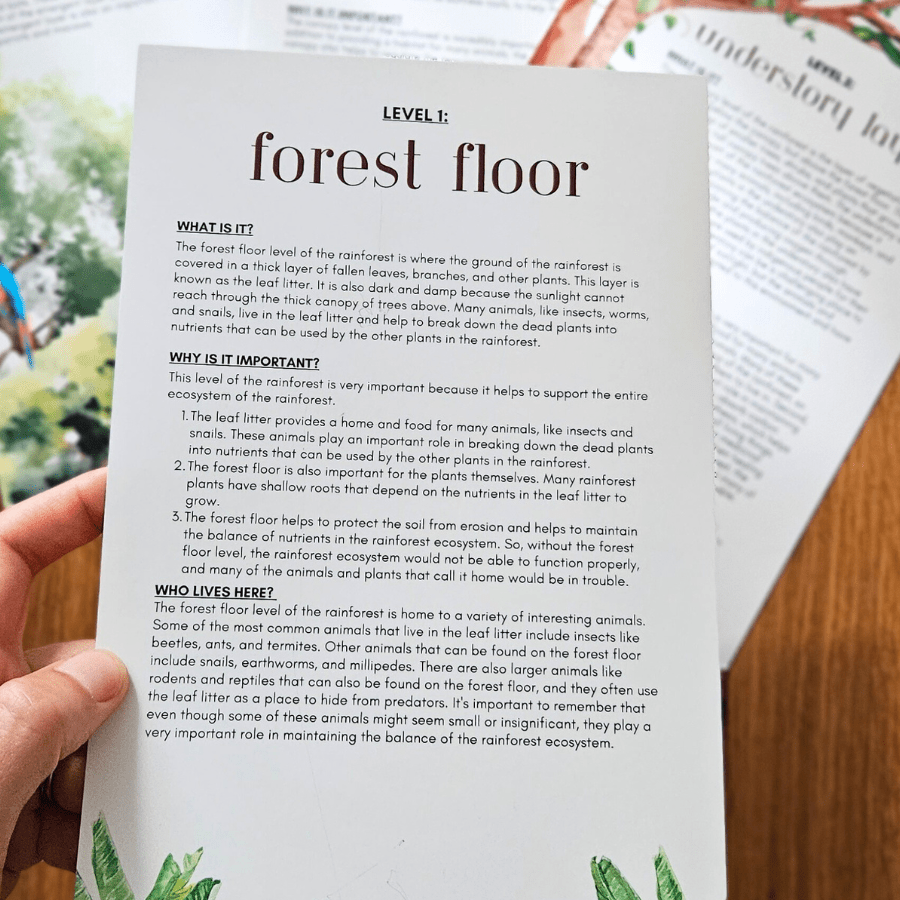
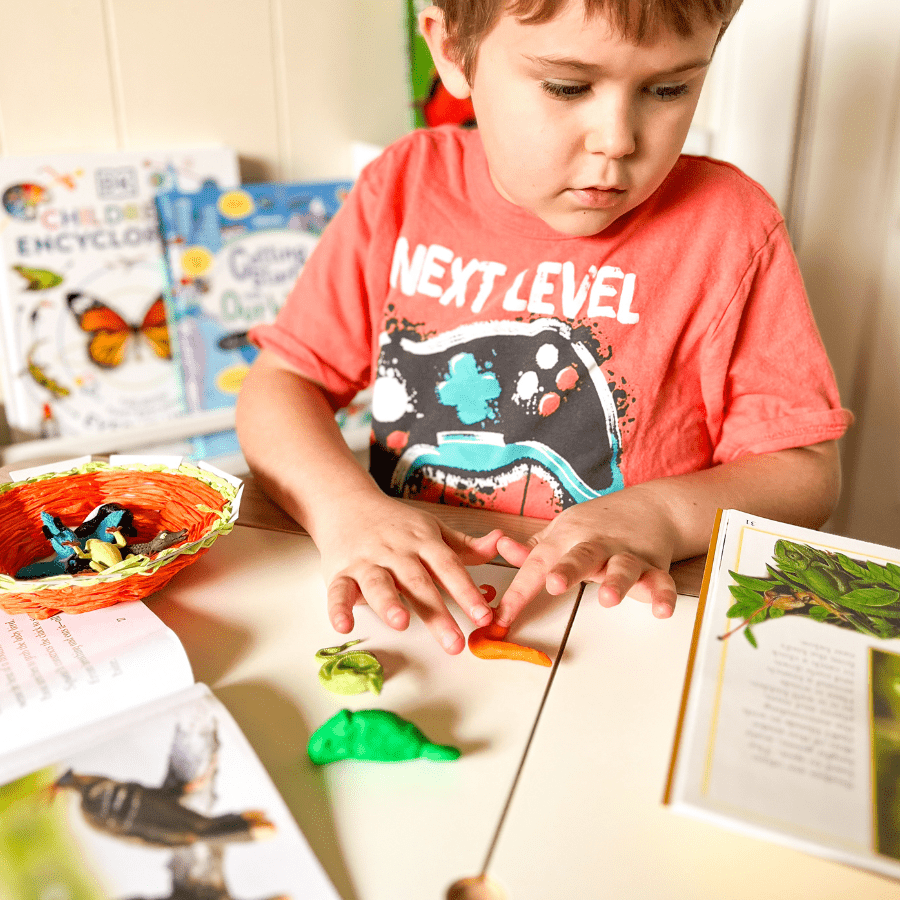
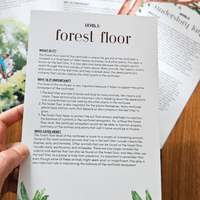
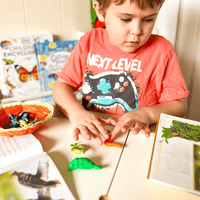
This unit brings the Amazon rainforest to life through a mix of science, geography, STEM-style building, art, sensory play, and writing. Kids don’t just read about the rainforest—they build it, sculpt it, label it, and create it. They start by exploring the distinct rainforest layers (emergent, canopy, understory, forest floor) and painting their own model while learning what makes each layer unique. From there, they dive into rainforest animals using interactive animal fact cards (sloths, jaguars, poison dart frogs, and more), then turn those facts into hands-on learning with clay sculpting and creative projects that reinforce habitat and adaptation concepts in a way kids can remember.
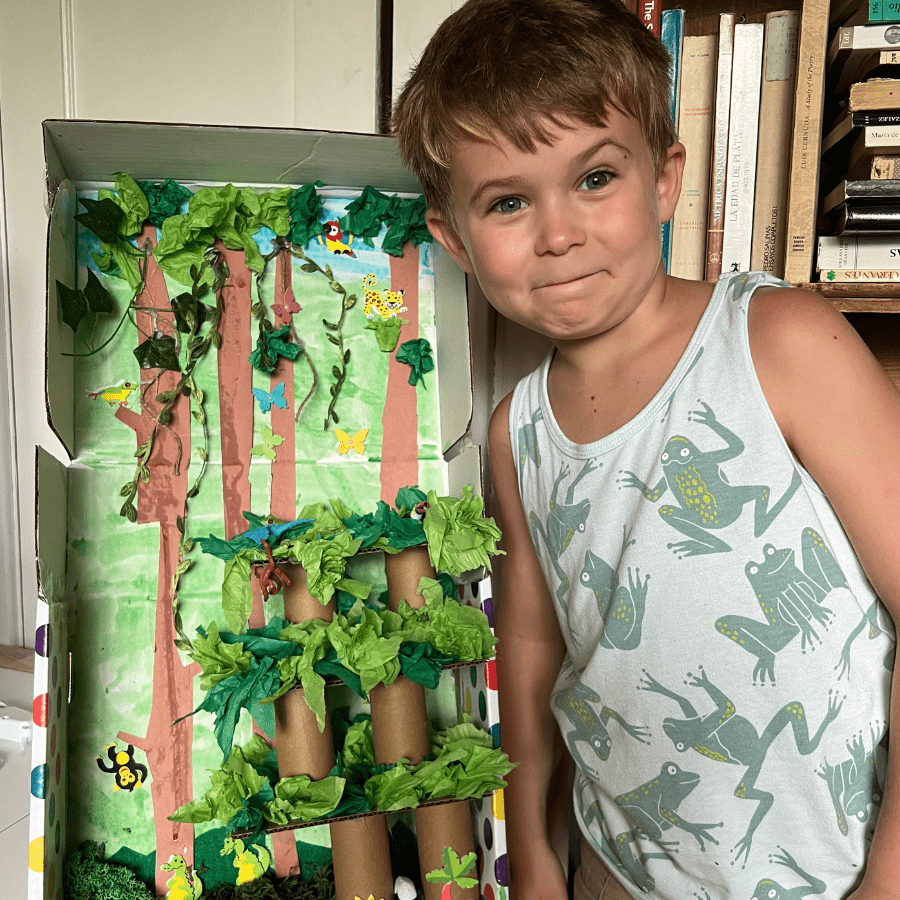
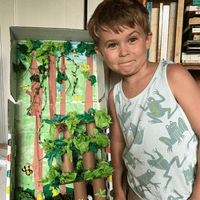
One of the most fun parts of a rainforest homeschool unit is how naturally it blends “big learning” with kid-level wonder. In this crate, students sculpt rainforest clay animals (and talk about what those animals need to survive), assemble a 3D parrot wooden puzzle while learning about rainforest biodiversity, and build a full 3D rainforest diorama that brings everything together—layers, animals, and plant life—into one final model. It’s the kind of culminating project that makes kids want to show it to everyone who walks through your kitchen. (And yes, grandparents count.)
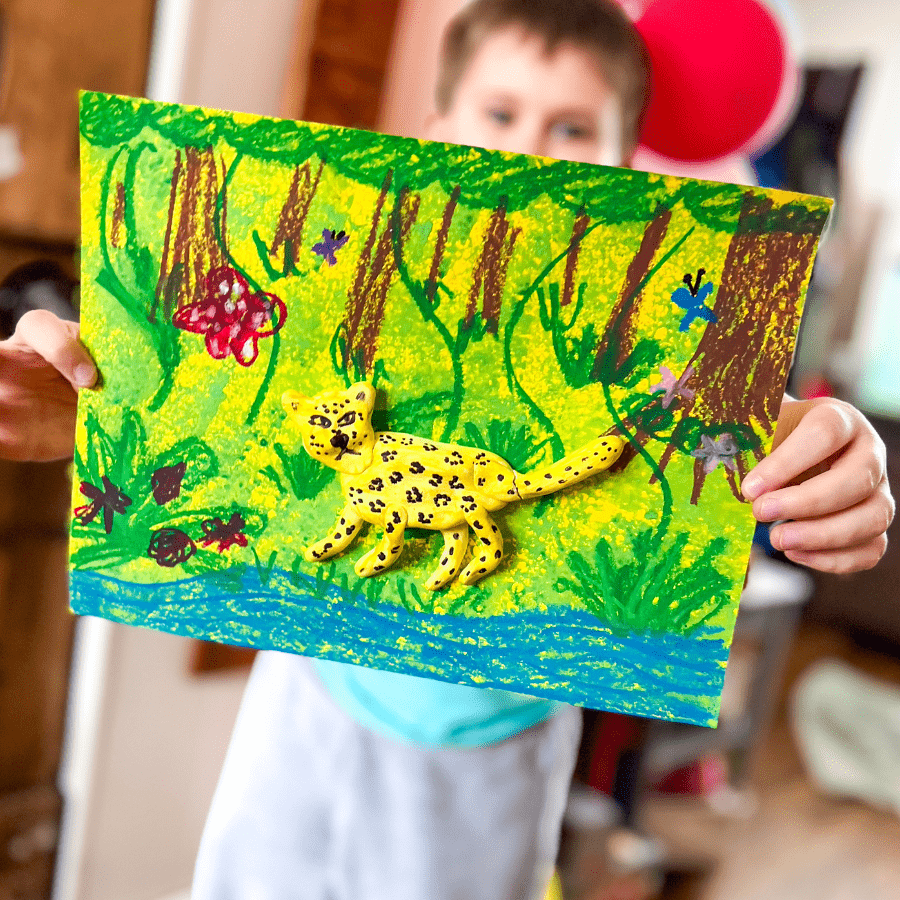
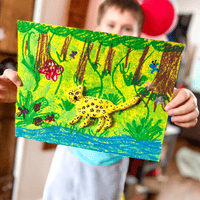
The hands-on projects aren’t just “cute crafts,” either—they’re tied to real learning goals. The rain stick construction activity connects science and culture, introducing how indigenous rainforest communities use natural materials to mimic the sound of rain. The jaguar mixed media art project supports observation skills and a deeper understanding of camouflage and survival strategies. Origami frogs add fine-motor work and life cycle tie-ins, while the Slow Like a Sloth challenge builds body control, patience, and focus (which—let’s be honest—many kids need as much as they need science). There’s also sensory play built in with Pluffle, giving kids a chance to explore texture and movement while staying connected to the rainforest theme.
Literacy is woven into the unit through high-interest rainforest books and a creative writing activity. The crate includes four titles: The Secret Explorers and the Rainforest Rangers (SJ King), DK Readers: Sassy Sloth, Eyewitness: Amazon(DK), and The Great Kapok Tree (Lynne Cherry). These books give you both story-based learning and nonfiction support, so kids can build background knowledge and vocabulary while staying engaged. The Silly Rainforest Stories writing activity lets students use what they’ve learned—animals, setting, rainforest layers, and all—to write imaginative stories with purpose (instead of random writing prompts that don’t connect to anything).
Now the real-life question: how long does this unit take? We include a free 6-week plan families can use as an easy pacing guide. It’s your “tell me what to do next” option—simple, doable, and designed to keep the learning moving without you having to map out the weeks. But the unit is also flexible on purpose. You can complete it faster if you want a shorter rainforest unit study (for example, doing more activities per week, or focusing on the big projects). Or you can stretch it longer if you want to slow down, add extra library books, take nature walks, or you’re juggling multiple kids and schedules. The activities are designed so you can pause and pick back up without losing the thread of learning, because the theme stays consistent and the projects build on each other in a natural sequence.
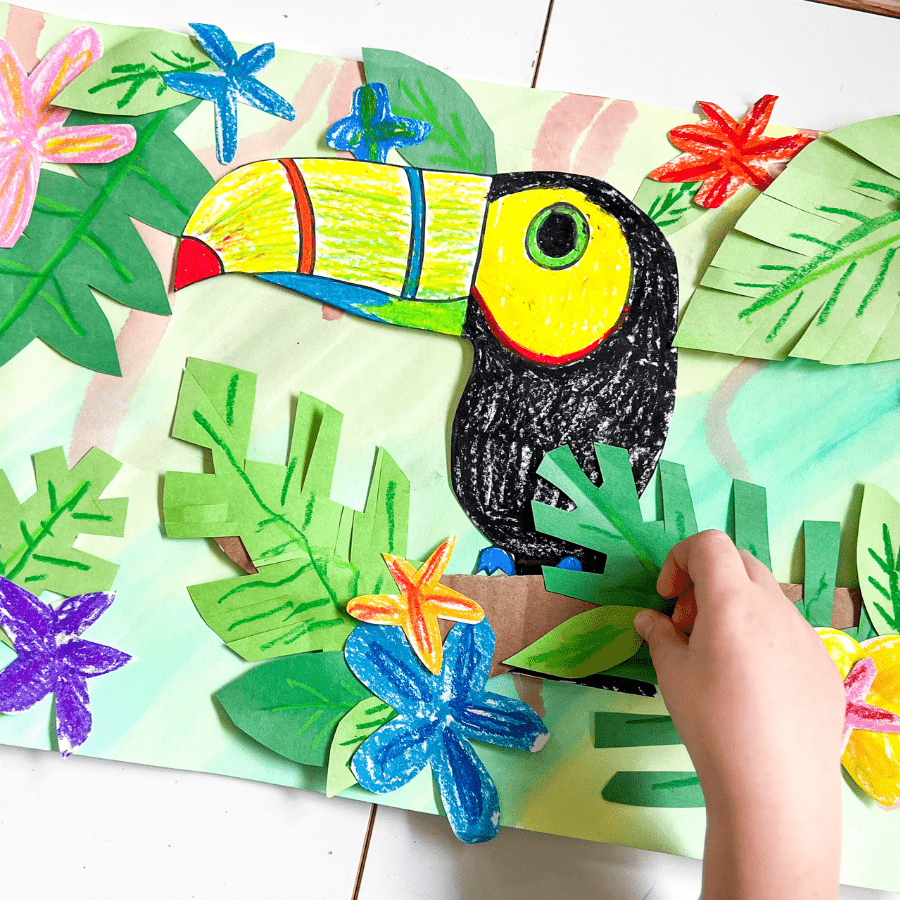
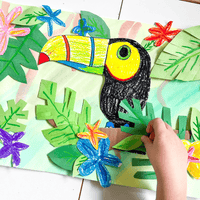
If you want to see what this looks like in a real homeschool (not an imaginary one where no one ever interrupts you), there’s also a companion blog post that walks through how the rainforest unit was paced, highlights several of the activities in action, and shares practical homeschooling tips that work in a real-life setting. It includes examples like starting with rainforest layers, using animal fact cards and clay animals to reinforce learning, creating mixed media jaguar art, making a hidden toucan collage, building a rain stick, and bringing it all together with the rainforest diorama. It’s especially helpful if you like to “preview” a unit before you dive in, or if you want ideas for making it work with siblings and mixed ages.
Explore the Rainforest is a complete rainforest unit study in a box: 20+ activities, all materials included, and a set of strong, engaging books—built to help kids understand rainforest ecosystems through hands-on, screen-free learning. From painting the layers of the rainforest to sculpting animals and building a full diorama, this unit gives your child the kind of multi-subject, creative learning that makes homeschool feel connected and memorable.
Additional Resource: Want to see this unit study in action? See Our Blog Post Here
Additional Information: Items may vary due to current availability. This rainforest unit study crate contains products not manufactured by the seller. Please be advised that crates may contain small parts that may not be suitable for children under 3 years. Do not consume crate contents.