If you’ve got a kid who could happily spend all day talking about sea turtles, dolphins, and “what lives under there,” a marine life unit study is basically homeschool magic. Explore Marine Life is built for preschool through early elementary (Preschool–Grade 2, ages 4+) and brings ocean learning to life with 26 ready-to-go, hands-on activities that blend science, art, early literacy, math, and sensory play—without you having to piece together supplies or lesson ideas.
This unit is meant to feel like play… but it’s sneaky-smart play. Kids explore marine habitats and ocean animals through real projects they can touch, build, paint, measure, and talk about. You’ll see science concepts show up naturally as your child matches realistic ocean animal figures to fact cards, practices observation skills, and starts using new vocabulary (the kind that makes them sound like tiny marine biologists at breakfast). And because early learners love doing the same skill in lots of different ways, the unit mixes “big wow” keepsakes with quick wins—so you can keep momentum even on the busy weeks.
A few highlights families tend to love right away:
- Sea Turtle Life Cycle Diorama: Kids build a 3D scene that shows each stage of a sea turtle’s life cycle. It’s hands-on, memorable, and the kind of project they’ll want to show grandparents immediately.
- Ocean Wave Art: A mixed-media canvas project using Model Magic to create a wave curling across the water. It’s one of those “wait… my kid made that?!” pieces.
- Coral Reef Explorers: Kids do a coral I-Spy for observation practice, then sculpt coral using Model Magic (pinching, twisting, shaping—excellent fine-motor work disguised as fun).
- Sea Otter Directed Drawing: Step-by-step drawing + painting that builds confidence and control—perfect for kids who like clear directions but still want creative freedom.
- How Big Are Ocean Animals? A size + measurement activity that gets kids moving (chalk + measuring + comparing lengths) and turns “math” into something they actually want to do.
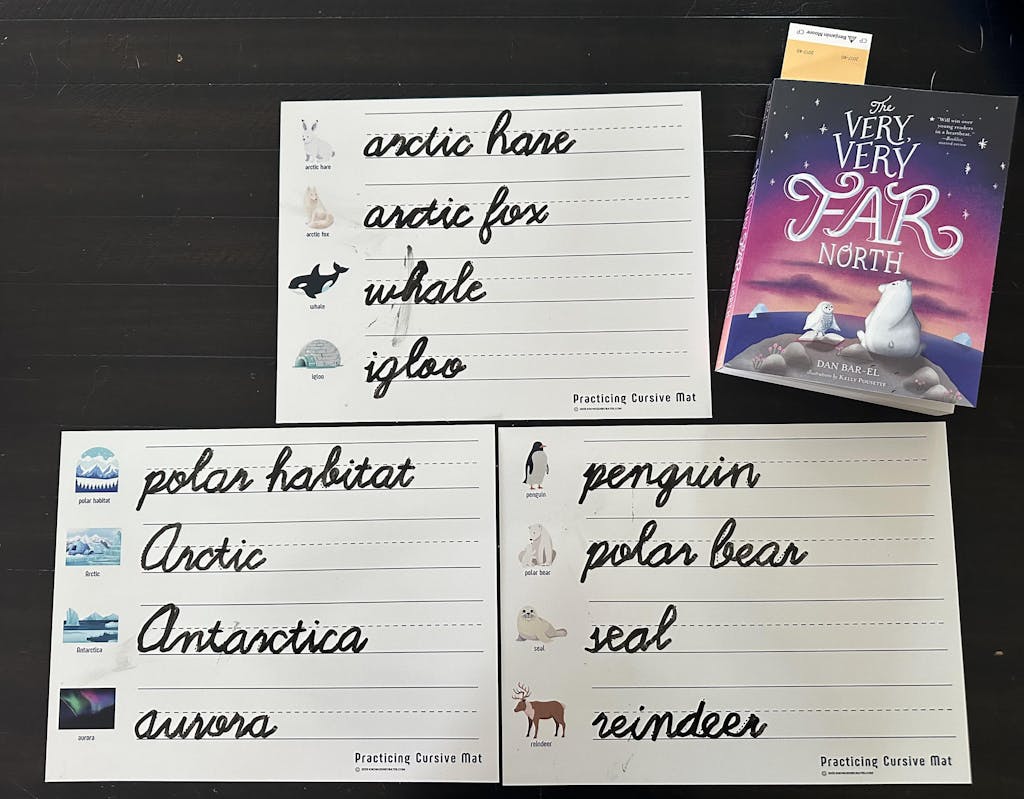
And it’s not all art and science—there’s plenty of “learning through games” built in, too. The crate includes I Sea 10! (Learning Resources®) for number recognition and early addition, plus an ocean-themed Go Fish! card game for matching and memory practice. You’ll also find printing practice mats with traceable ocean words (dry erase), a “magic sand” experiment that lets kids observe how special sand behaves in water, and kinetic sand sensory play for hands-on exploration.
The books included help everything click, especially for early learners who absorb concepts best through stories and pictures. This unit includes a mix of fiction and nonfiction, including The Ocean is Kind of a Big Deal (Nick Seluk), Dolphins (National Geographic Kids), National Geographic Kids Ocean Animals Collection, Little Turtle (Gisela Bohórquez), and the National Geographic Ocean Animals Sticker Activity Book (which reinforces learning with puzzles and facts).
Time-wise, families can use our free 4-week plan as an easy structure (especially if you like knowing “what to do next”), but you can absolutely stretch it longer or compress it into a shorter window depending on your routine, your child’s pace, and how deep they want to go. Some families do a few activities a week alongside their normal homeschool rhythm; others lean into a full-on ocean season and make it the “main event.” The point is: the unit works with real life, not the fantasy schedule we all swear we’ll have “next week.”
And if you like seeing activities before you commit (or you just want the “how this actually looks at the kitchen table” version), there’s a Marine Life blog post that walks through several favorite projects with photos and practical homeschool-friendly ideas—so you can picture the flow, the finished projects, and how to make it work with mixed ages. It also shares extra ways to expand the theme with books (because ocean kids never want just one ocean book).
From an “I need this to count for school” perspective, the unit also connects to commonly used standards. The crate lists alignment with NGSS concepts like K-LS1-1 and K-ESS3-1, along with Common Core math (counting/cardinality and measurement) and ELA skills (informational text discussion and comprehension), plus National Core Arts Standards connections for creating and responding in visual art.
In short: this is a marine life unit study that feels fun and doable, but still gives you real learning you can point to—without building it from scratch.
Additional Resource: Want to see this unit study in action? See Our Blog Post Here
Additional Information: Items may vary due to current availability. This unit study crate contains products not manufactured by the seller. Please be advised that crates may contain small parts that may not be suitable for children under 3 years. Do not consume crate contents.